
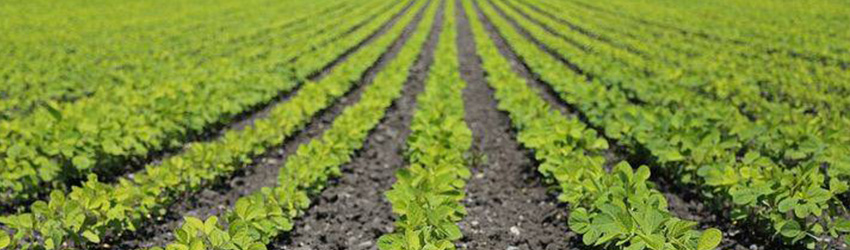
Agriculture sector
The Somali Government will commit itself to provide support and assistance to FARMERS, who are producing the basic food for the population such as Sorghum, corn, beans, rice, etc.
(Land Preparation) The SDRB is ready to help farmers to increase their production activity and hence contribute the necessary journey towards food self-sufficiency of the country.
In Somalia farming contributes between 15% and 20% of the GDP, It is estimated that less than 35% of the land is suitable in agriculture. Despite being erratic and often scanty there are nevertheless two main rainy seasons. These are Gu or spring (April and June) and Deyr or autumn (September and October), in between these two rainy seasons there is also Karan (late July through September) most occur in the western regions.
Tomatoes, lettuce, onions, watermelon, peppers, cabbages, oranges, lemons, and papaya. Rain-fed farming accounts for 90% of the total area cultivated, while the area under irrigation constitutes only 10%, supporting about 4,000 farm families. The sector is dominated by smallholder farmers who own farms ranging from 2 to 30 hectares in area. The average farm size is approximately 4 hectares. During the dry season, irrigated farms make good profits, because the supply in the vegetable and fruit markets is low in this period. The shortfalls are usually filled by imports from neighboring countries such as Ethiopia and Somalia. In recent years, cultivation of watermelon has emerged as an important source of income for the farmers.
Related Posts

Livestock and Agriculture
Livestock is the backbone of the...

Customised Agriculture Farm Inputs
Tayib has been sourcing agriculture and...
